

Yes, effectively all of them. From 1 January 2027, every domestic dwelling in Queensland must have interconnected photoelectric smoke alarms in every bedroom, in every hallway connecting bedrooms to the rest of the home, and on every storey. Most existing homes fall short of that standard today.
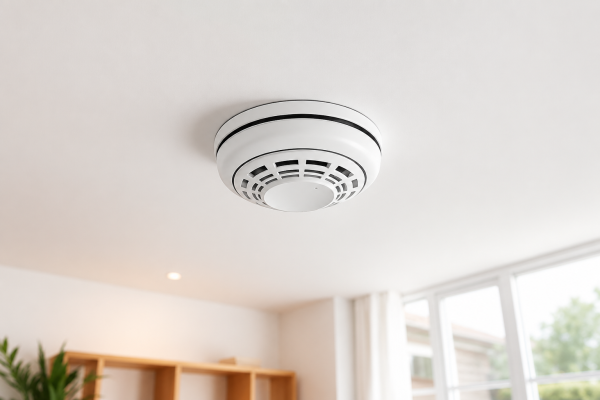
What the law actually requires
Queensland’s staged smoke alarm legislation reaches its final milestone on 1 January 2027. From that date, every domestic dwelling must have:
- Photoelectric smoke alarms (ionisation alarms no longer comply).
- Alarms installed in every bedroom, in every hallway connecting bedrooms to the rest of the home, and on every storey.
- All alarms interconnected, hard-wired or wirelessly linked, so that if one triggers, they all sound.
- Alarms compliant with the current Australian Standard for smoke alarms.
Who this actually applies to
This is the part most homeowners get wrong. The 2027 deadline isn’t limited to rental properties or homes being sold. It applies to every domestic dwelling in Queensland, including homes you own and live in yourself, with no sale or lease event triggering it. If you’ve been assuming this is a landlord problem, it isn’t. It’s a homeowner problem too.
Why the date matters
Queensland has been phasing this requirement in over several years, first for new builds and substantial renovations, then for rental properties at lease turnover. 1 January 2027 is the final stage, where the requirement extends to every remaining home in the state. Once that date passes, there’s no grace period left to phase into. This is the compliance deadline homeowners need on their radar now, not the week it takes effect.
What non-compliance means
An interconnected system only works if every alarm in the home is genuinely linked and photoelectric. A single ionisation alarm from a decade-old build, or a set of alarms that aren’t wired together, doesn’t meet the standard even if they’re technically still working. Beyond the immediate safety gap, non-compliance can also become a real headache if you ever do sell, lease, or need to make an insurance claim down the track, since a home that isn’t compliant may need remedial work sorted retroactively, under more time pressure than doing it now.
What to do now
The most straightforward path is a compliance check. A licensed electrician can walk through your home, confirm which alarms are already compliant, and identify exactly what needs upgrading or interconnecting. For most homes this is a contained, one-visit job, not a major renovation.
If you’re already having other electrical work done, whether that’s a switchboard upgrade or general rewiring, it’s worth folding a smoke alarm check into the same visit. Our EV Chargers & Smart Home page also covers where smoke alarm compliance fits alongside other upcoming home upgrades, if you’re planning ahead.
FAQ
Does the 2027 smoke alarm law apply to owner-occupied homes, or just rentals?
It applies to every domestic dwelling in Queensland, not just rental properties or homes being sold. If you own and live in your home, the requirement still applies to you.
What type of smoke alarm do I need?
Photoelectric smoke alarms that are interconnected with every other alarm in the home. Ionisation alarms, even if they’re working, no longer comply.
How do I know if my current smoke alarms are compliant?
The safest way is a professional compliance check. It’s a quick assessment that confirms whether your alarms are photoelectric, correctly placed, and properly interconnected.
We service North Brisbane suburbs for smoke alarm compliance checks and installation.